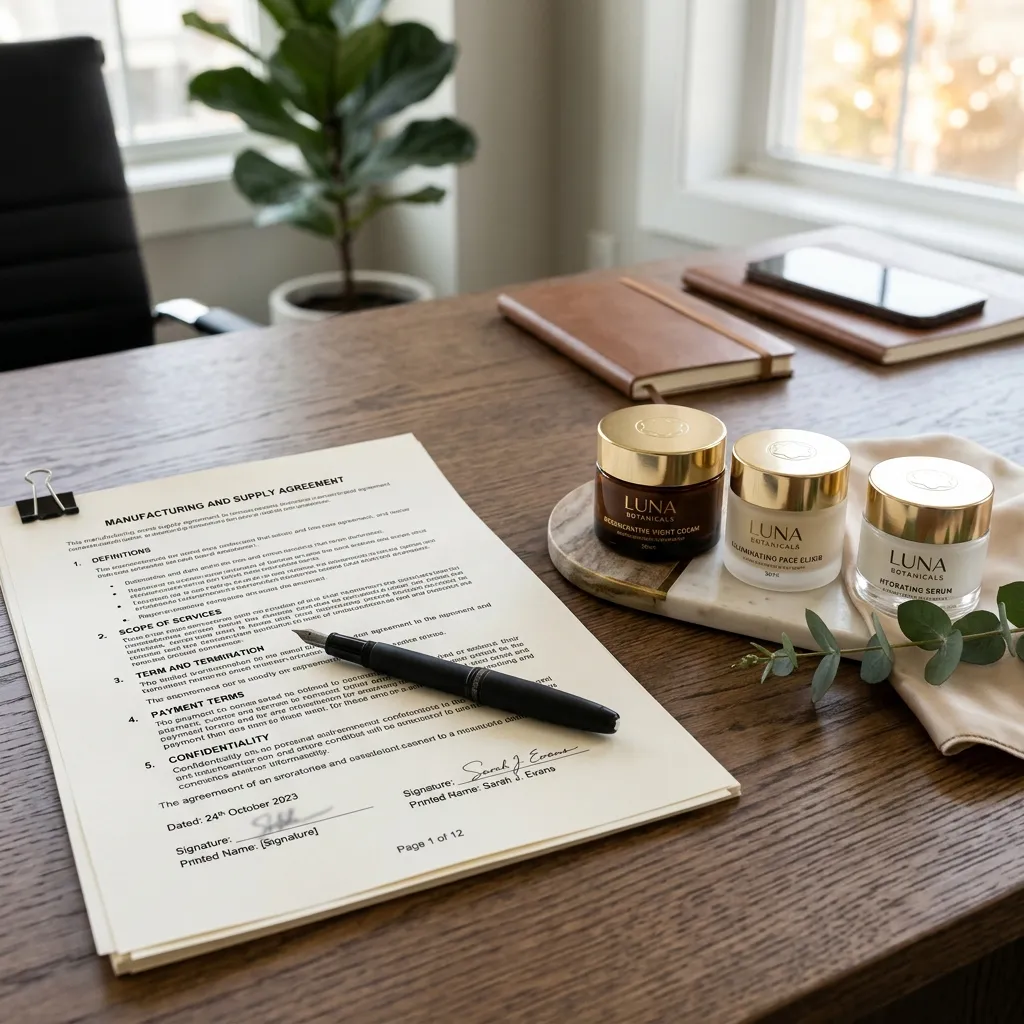
Private Label Cosmetics Manufacturing: Process, MOQ and Cost
A practical B2B guide to private label cosmetics manufacturing, covering formulation models, samples, MOQ, packaging, GMP documentation and compliance.
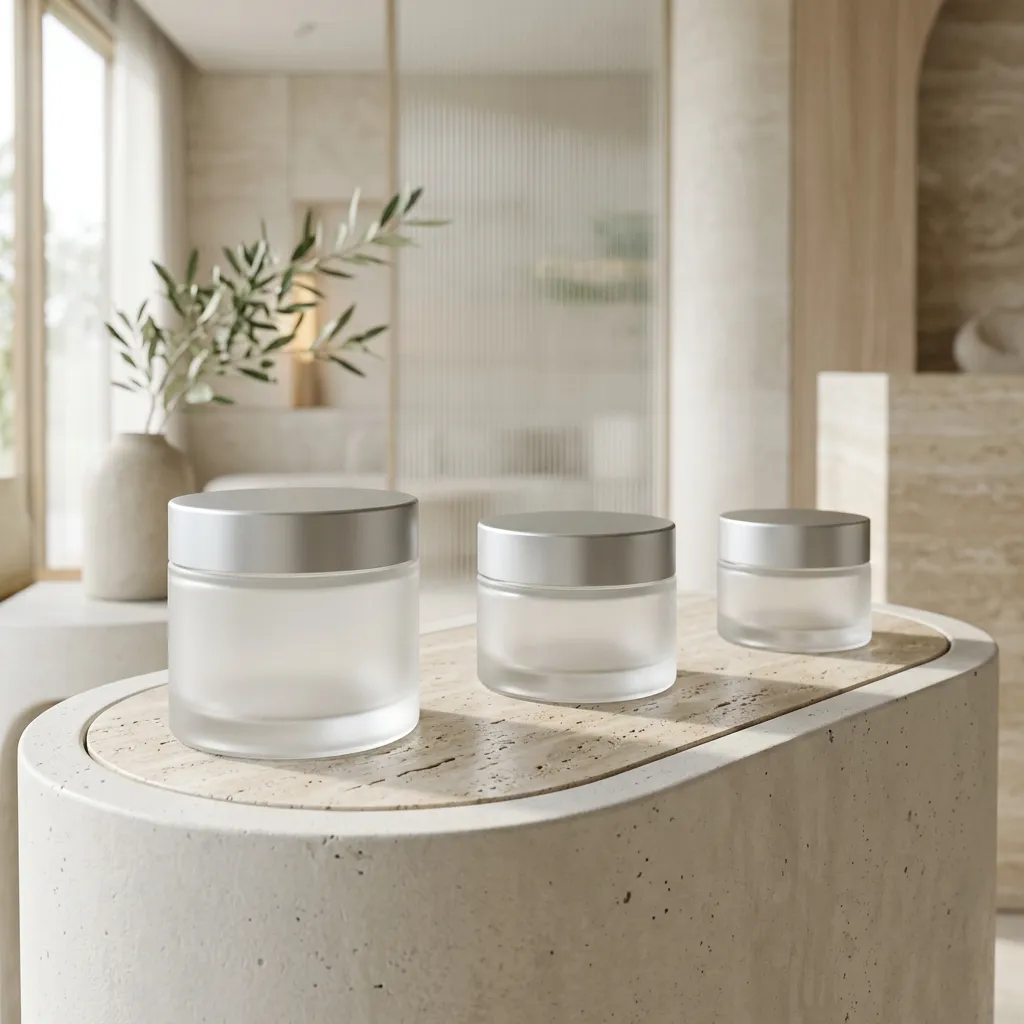
Private label cosmetics manufacturing turns a brand brief into a finished product through a manufacturing partner with formulation, filling, quality-control and packaging capabilities. The brand manages its audience, positioning and sales channels, while the manufacturer can support R&D, samples, production and technical documentation.
The best starting question is not “which product should we make?” First define who will buy it, the need it addresses, the target retail range and the countries where it will be sold. Those decisions affect the formula, packaging, tests, documentation and minimum order quantity.
This guide explains the process from the first brief to delivery for clinics, skincare companies, medical businesses and emerging brands.
White label, private label and custom OEM/ODM
The terms are often used interchangeably, but they describe different levels of product development:
| Model | How it works | Best suited to |
|---|---|---|
| White label | A previously developed formula is produced with brand and packaging adaptations. | Brands that need a faster route to market validation |
| Private label | A base formula can be adapted in texture, active system, fragrance or packaging. | Clinics and growing brands that need more differentiation |
| Custom R&D / OEM-ODM | The formula is developed from scratch or substantially redesigned around a detailed brief. | Businesses building a distinctive, long-term product line |
See the detailed private label vs white label comparison before choosing a model.
How does the private label manufacturing process work?
1. Product brief and target market
A useful brief contains more than “we need a serum.” It should define:
- Target user and primary skin need
- Product format, texture and intended use
- Desired and excluded ingredients
- Target retail range and sales channel
- Estimated order quantity
- Countries or regions where the product will be sold
- Packaging expectations and launch window
The destination market matters from the beginning because labels, notifications and responsible-person requirements vary by country.
2. Formula selection or custom R&D
A validated stock formula can shorten development time. Custom R&D evaluates the active system, texture, fragrance, pH, packaging compatibility and target cost together. A strong formula is not simply the one with the highest active percentage; stability, safety, packaging compatibility and user experience also matter.
3. Samples and revisions
A sample is prepared before mass production. Evaluate appearance, fragrance, absorption, spread, packaging behaviour and the intended user experience. Feedback should be measurable: “absorbs faster” or “reduce fragrance intensity” is more actionable than “make it better.”
4. Packaging and artwork
Packaging is a functional choice as well as a visual one. Pumps, droppers, tubes and jars expose formulas to air, light and user contact in different ways. Custom moulds, decoration and imported components can extend lead times, so formula and packaging sourcing should run in parallel. Read the cosmetic packaging sourcing guide for the main decisions.
5. Testing, technical files and label review
Requirements depend on the product type and target market. A project may involve:
- Stability and packaging-compatibility work
- Microbiological controls and, where relevant, challenge testing
- INCI ingredient list
- MSDS or related safety documentation
- Raw-material analysis or purity reports
- Batch and traceability records
- Label review for the destination market
For EU cosmetics, CPNP notification is not replaced by a manufacturer’s GMP documentation. A Product Information File, safety assessment, compliant label and an EU Responsible Person are separate parts of market access. The EU CPNP cosmetics export guide explains these responsibilities.
6. Production and quality control
Once the formula is approved, the batch enters production planning. Raw-material intake, manufacturing, filling, coding and packing should be traceable by batch. Before dispatch, check quantity, appearance, packaging, label and batch information.
See Skindermlab’s six-step manufacturing process for the full workflow.
How is minimum order quantity determined?
There is no universal MOQ. The main variables are:
- Stock formula versus custom development
- Raw-material supplier minimums
- Packaging case quantities and print minimums
- Filling-line compatibility with the chosen format
- Testing, label and secondary-packaging requirements
A low-volume pilot can make initial market testing easier, but the unit cost is usually higher. A larger order may reduce unit cost while increasing inventory and cash-flow exposure. The right MOQ should be calculated together with the sales forecast and reorder lead time. See the low MOQ cosmetics manufacturing guide for a practical framework.
What makes up the total manufacturing cost?
Comparing quotes only by filled-unit price can hide important differences. The total budget may include:
- Formula development and sample revisions
- Ingredients and manufacturing
- Primary packaging, closure, pump or dropper
- Label, carton and printing
- Tests and technical documentation
- Design, barcodes and trademark work
- Freight, storage and export procedures
Launching too many SKUs at once divides both budget and operational attention. A smaller routine of products that are used together is often easier for a new brand to forecast and support. Use the cost of starting a cosmetics brand guide when preparing the budget.
Questions to ask a cosmetics manufacturer
Before accepting a quotation, ask:
- Which product categories are within the facility’s manufacturing scope?
- How are stock formulas and custom R&D priced and managed?
- How many samples and revisions are included?
- How does MOQ change with formula and packaging choices?
- Which tests and documents are included in the quotation?
- Who sources packaging and checks compatibility?
- How are formulas, artwork and brand information kept confidential?
- Where does the manufacturer’s regulatory responsibility end?
- Which assumptions determine the production and delivery schedule?
- How are batch traceability and non-conformities managed?
The cosmetics contract manufacturer selection checklist helps compare suppliers on the same criteria.
What can Skindermlab manufacture?
Skindermlab works on private label dermocosmetics and skincare lines as well as professional medical-aesthetics product groups. The project can use a stock formula, product adaptation or custom R&D. MOQ, tests and documentation are confirmed according to the product type and destination market.
If your brief includes the product type, target market, estimated quantity and launch window, you can contact the Skindermlab manufacturing team for a project-specific review.
Ready to Manufacture This Formulation Under Your Own Brand?
Develop high-performance, proprietary formulations tailored for your clinic or brand. Partner with Skindermlab for ultra-flexible batch sizes (from boutique clinic runs to high-volume commercial production), ISO 22716 GMP certification, and turnkey export compliance.